
Information on this site is advertising in nature

Where Curiosity Meets Expertise

Founded by a collective of architectural historians, educators, and heritage enthusiasts, magenta-petal emerged from a shared conviction that understanding buildings enriches how we inhabit and shape our environments.

Manchester provides an ideal base for this work. Our city embodies the tensions and harmonies between industrial pragmatism and aesthetic ambition, local tradition and international influence. Walking through Castlefield or the Northern Quarter offers lessons applicable to understanding streetscapes from Prague to Porto.

We believe architectural literacy should not remain the preserve of specialists. Through carefully designed programmes, we make scholarly knowledge accessible without sacrificing rigour.

Team collaborating around documents and plans

8

Years Operating

2,400+

Programme Participants

14

European Partnerships

85

Published Articles

Our Educational Philosophy

Contextual Understanding

Buildings do not exist in isolation. Every structure reflects the technological capabilities, economic conditions, social hierarchies, and aesthetic values of its time and place. Our programmes situate individual works within these broader contexts, revealing how a Manchester warehouse connects to Mediterranean trading halls, or how Gothic cathedral builders solved engineering problems that would inform construction for centuries.
Direct Observation

Photographs and lectures convey much, but nothing replaces standing before a building, noticing how light moves across surfaces, how materials age, how spaces feel at different times and seasons. Our walking tours and site visits cultivate the habit of attentive looking that transforms passive viewing into active reading.

Comparative Thinking

Understanding Baroque architecture means comparing how it manifested differently in Rome, Vienna, and rural Bavaria. Our courses encourage participants to identify both universal principles and local variations, developing analytical frameworks applicable to any built environment they encounter.

Living Heritage

Historical buildings are not museum pieces frozen in past states. They continue to evolve through restoration, adaptive reuse, and changing contexts. We explore contemporary debates about preservation, examining how communities balance authenticity with practical needs and evolving values.

Our Manchester Base

Operating from Manchester offers distinct advantages for exploring European architecture. Our city itself presents a remarkable architectural anthology spanning centuries, from medieval fragments to Victorian commercial palaces to contemporary interventions.

Manchester's historical role as a global trading centre means our built environment reflects international influences and exchanges. Cotton warehouses borrowed Florentine forms; civic buildings proclaimed confidence through classical vocabulary; industrial structures pioneered iron and glass construction that would transform building worldwide.

This heritage makes Manchester an ideal classroom for understanding how architectural ideas travel, transform, and take root in different soils.

Explore Our Programmes
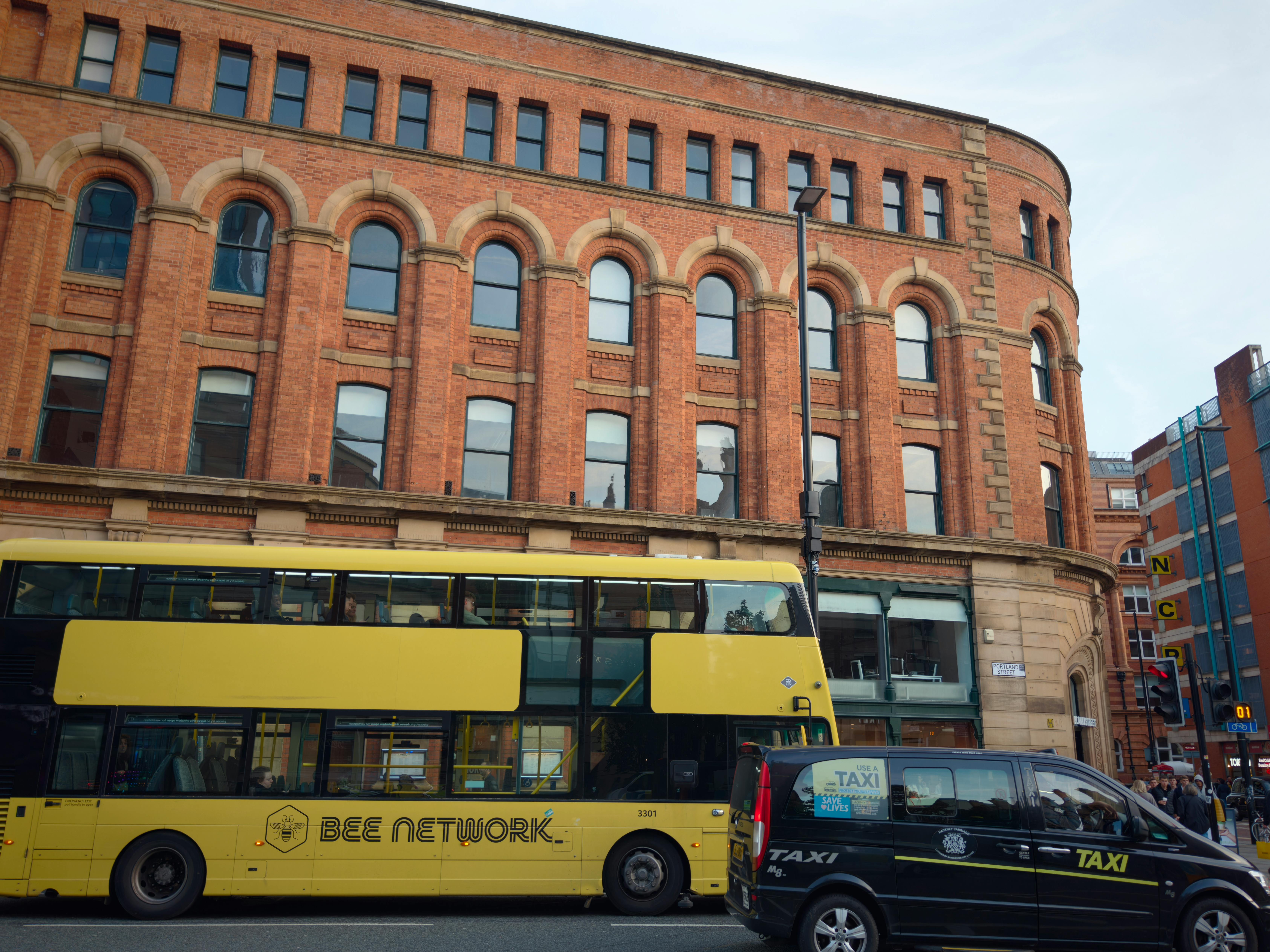
Manchester Victorian architecture with red brick buildings

Our Contributors

Expertise drawn from academic research and practical heritage work

Dr. Margaret Ashworth

Gothic and Medieval Studies

Specialising in the structural innovations of French and English Gothic cathedrals, with particular focus on how master builders developed solutions to unprecedented engineering challenges.

James Rutherford

Industrial Heritage

Former conservation officer with extensive experience in Manchester's Victorian commercial architecture. Leads walking tours connecting local buildings to broader European industrial development.

Dr. Sofia Pellegrini

Renaissance and Baroque

Research background in Italian Renaissance urbanism and its influence on Northern European city planning. Contributor to international heritage documentation projects.

Begin Your Journey

Request information about our educational programmes

Disclaimer

Educational content represents current scholarly understanding and may evolve as research advances. Our programmes provide general architectural education and do not constitute professional training or certification. Individual learning experiences and outcomes depend on participant engagement and prior knowledge. We encourage participants to supplement our materials with additional sources and to consult qualified professionals for specific projects or conservation decisions.